English summary of a task force report on the Icelandic government's approach to AI
AI for Good
Iceland as a model society for using AI for good

Iceland as a model society for using AI for good
The task force on the government's approach to AI was appointed on 1 July 2026 by the Prime Minister and the Minister of Culture, Innovation and Higher Education: five experts from outside government, three months of work and well over a hundred contributions from across society.
From the letter of appointment“to assess the government's overall approach to AI in light of the technology's rapid development, and to propose priorities and improvements.”
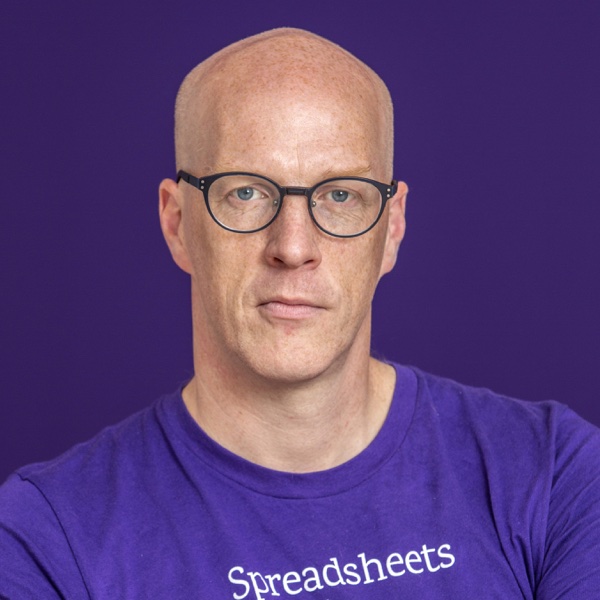 Hjálmar Gíslasonchair · GRID
 Anna Kristín TumadóttirCreative Commons
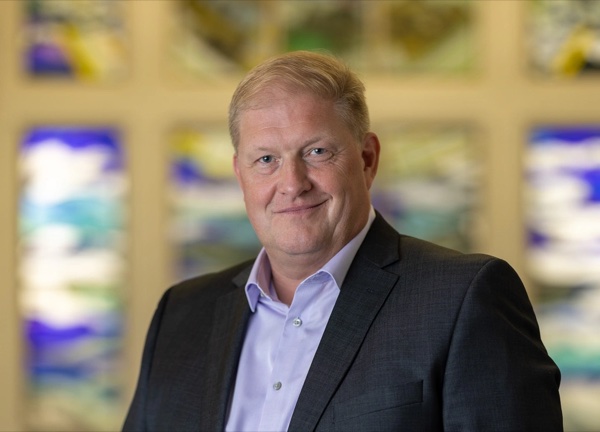 Ari Kristinn JónssonNATO Innovation Fund
 Halldór Fannar GuðjónssonNVIDIA
 Lilja Dögg JónsdóttirAlmannarómur
About this summary. This is an English summary of Gervigreind til góðs (AI for Good), published in Icelandic on 9 October 2026. It covers the guiding light, the principles and the three outcomes in full, and the institutional arrangement and first steps in brief. The full report, with a chapter on AI and society, eight topic chapters and 69 recommendations in all, is published on the Government of Iceland's website, with a web version alongside it. Readers who want more detail are welcome to machine translate it.
Icelandic society can become a model for using AI for good: ambitious in its goals and responsible in its actions. AI should improve quality of life, public services and productivity - in Icelandic and on our own terms - so that the benefits reach everyone.
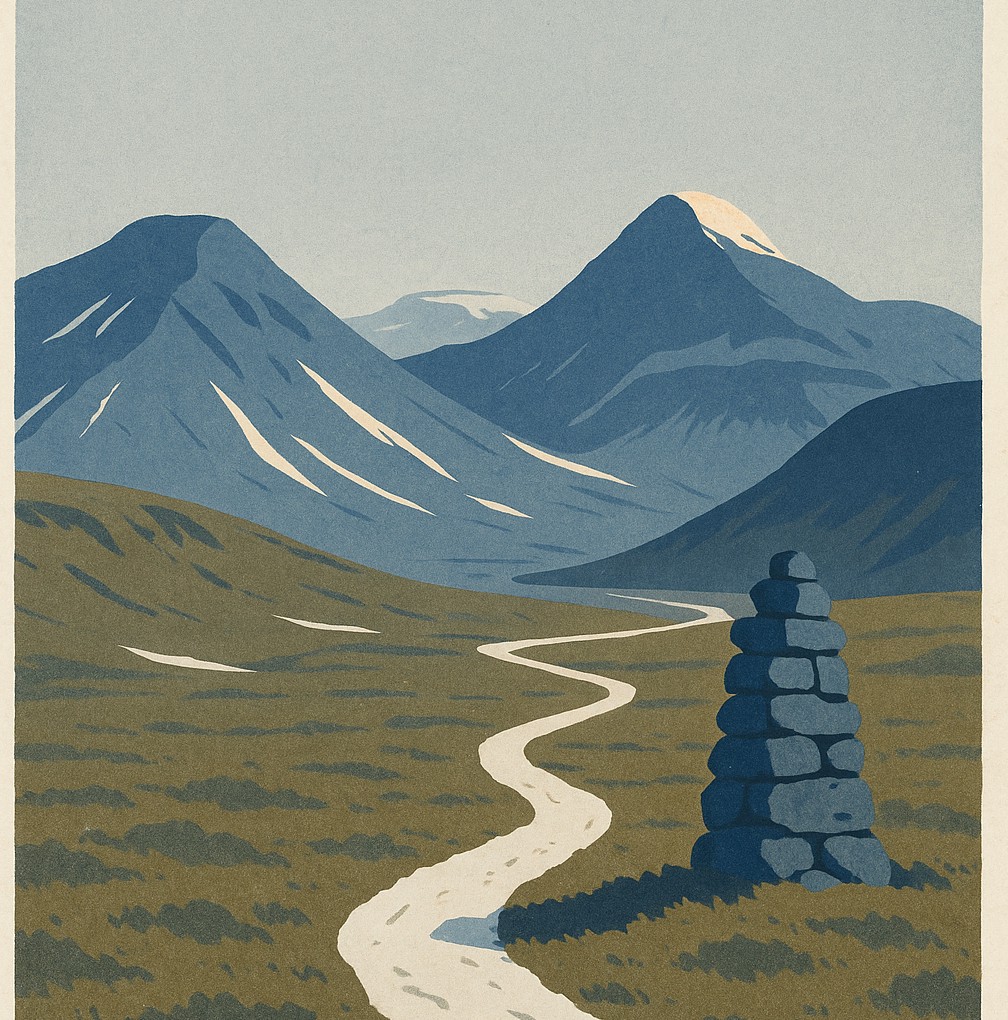
Iceland cannot control how the technology develops. Our skills, readiness, trust and ability to put AI to work decide whether it serves us well.
Advance in manageable, measurable stages with regular checkpoints along the way. But we are going for the summit!
Focus on actions that hold up across a range of scenarios: how the technology evolves, how it affects society and how fast things change. Monitor developments, and be ready to act as uncertainty and impact grow.
Make the most of what AI can do for quality of life, public services and productivity.
Meet risks and challenges firmly as they emerge. Regulate harmful uses of a technology, not the technology itself.
Access and opportunity for everyone, whatever their circumstances. Public dialogue is part of the necessary AI infrastructure.
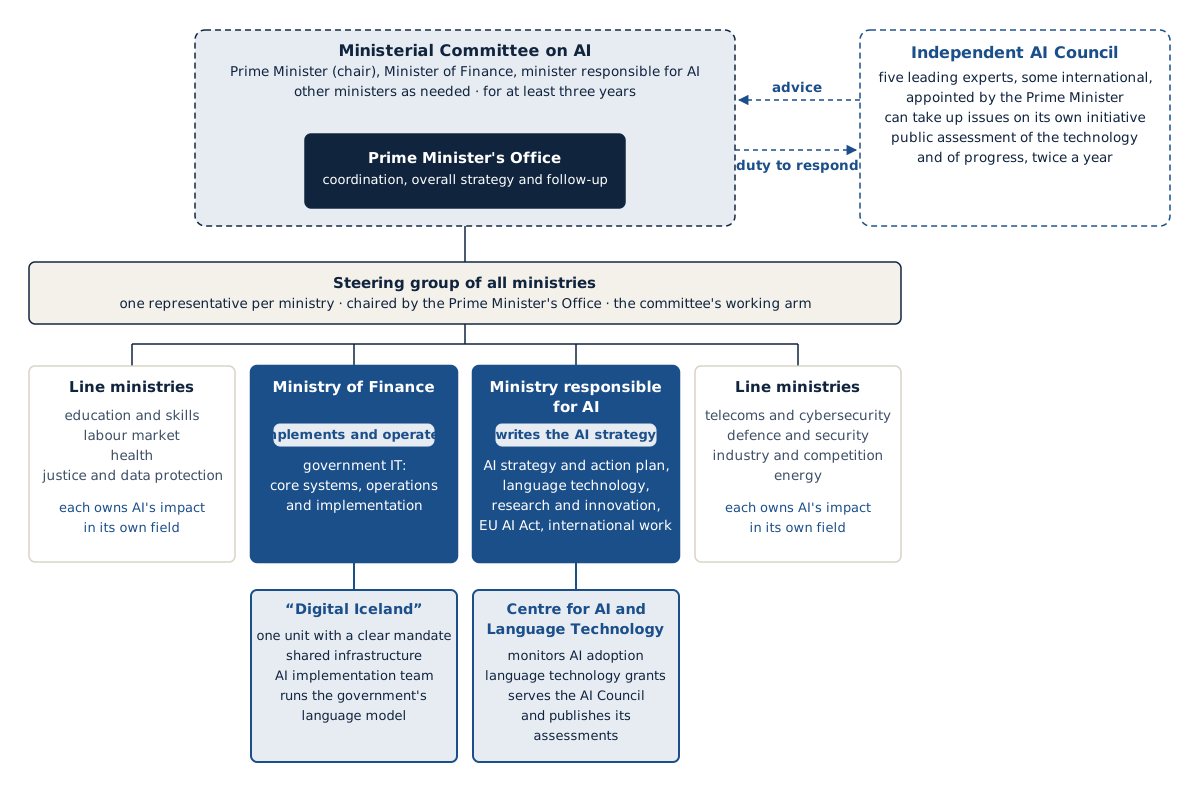
A ministerial committee for at least three years, with coordination and overall strategy in the Prime Minister's Office. The ministry responsible for AI drafts the strategy and the committee adopts it.
A steering group of all ministries, and each ministry assigns one unit responsible for digital affairs. Responsibilities largely stay where they are.
One unit, Digital Iceland, under the Ministry of Finance, with clear responsibility and authority for government IT. It runs shared infrastructure, including a language model for government use, and remains the digital front door of government for residents and businesses.
A nimble AI implementation task force inside Digital Iceland, where the authority sits. Start small: one project across government and one at a single institution. A small team steers and the market scales.
An independent AI council publishing an assessment twice a year, which the ministerial committee must answer in public.

Appoint the ministerial committee on AI, the steering group of all ministries and the independent AI council. Task Statistics Iceland with measuring AI's impact on the labour market. The steering group launches the education drive.
Update the AI and language technology plan. Start work on an open training recipe and Icelandic benchmarks. Tell cultural institutions clearly that opening up their collections is government policy.
Merge Digital Iceland and the IT side of Umbra, the government's operations agency, into one unit with clear responsibility and authority. Set up the implementation task force and choose two pilot projects.
Form a national framework for AI in schools and set up a central team that works alongside teachers.
Give one unit in each ministry responsibility for digital affairs and AI. Put guidance and approved tools in the hands of all staff.

We believe Iceland can use AI for good, for the benefit of all of society. We do not underestimate the challenges. They are real, and some are unknown and without precedent. Iceland will not lead the technology's development globally, so building society's capacity is how we meet them.
Iceland is a small country with short lines of communication. That is a strength, but only if responsibility is clear and the work actually gets done. That is why so many of our recommendations are about who takes the work forward and how it is followed through.
We thank everyone who gave their time to talk with us, write to us and challenge our thinking. The conclusions are far better for it. We are glad to present the recommendations as widely as we can and to take part in the conversation that follows, in whatever way is asked of us.
Iceland as a model society for using AI for good
 Full report (Icelandic)
 Open the summary (PDF) ↗